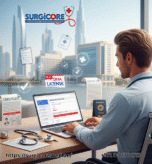
Medical licensing is one of the most important foundations of healthcare practice. It protects patients, ensures professional standards, and maintains trust in the healthcare system. For healthcare professionals in the UAE, medical licensing is not just a formality. It is a legal, ethical, and professional requirement that directly impacts career growth and patient safety.
Whether you are a doctor, nurse, allied health professional, or healthcare administrator, understanding medical licensing is essential. In this blog, we’ll explain what medical licensing means, why it matters, how it works in the UAE, and how healthcare-focused organizations like Surgicore support professionals and institutions in navigating licensing and compliance.
Understanding Medical Licensing in Healthcare
Medical licensing is the official authorization granted by a regulatory authority that allows a healthcare professional to practice legally. It confirms that the individual has the required education, training, experience, and competence to provide medical services safely.
Licensing ensures that only qualified professionals are allowed to treat patients. It protects the public from untrained or unethical practice and helps maintain high standards across the healthcare system.
In the UAE, medical licensing is strictly regulated and closely monitored by government health authorities.
Why Medical Licensing Is Important
Medical licensing serves several critical purposes in healthcare:
-
Protects patient safety
-
Ensures professional competence
-
Maintains ethical medical practice
-
Supports accountability and regulation
-
Builds trust in healthcare systems
Without proper licensing, healthcare professionals cannot legally work in the UAE, and healthcare facilities cannot operate safely or compliantly.
Medical Licensing Authorities in the UAE
Healthcare regulation in the UAE is managed by different authorities depending on the emirate and healthcare sector.
The main licensing authorities include:
-
Dubai Health Authority (DHA)
-
Department of Health – Abu Dhabi (DOH)
-
Ministry of Health and Prevention (MOHAP)
Each authority has its own licensing framework, requirements, and processes, but all share the same goal: ensuring safe, high-quality healthcare.
Healthcare professionals must be licensed by the authority governing the emirate where they plan to practice.
Who Needs Medical Licensing?
Medical licensing is required for all healthcare professionals involved in patient care, including:
-
Doctors and surgeons
-
Dentists
-
Nurses and midwives
-
Pharmacists
-
Allied health professionals
-
Laboratory and radiology technicians
-
Therapists and specialists
Even administrative and support roles may require specific certifications depending on responsibilities and regulatory requirements.
Key Requirements for Medical Licensing in the UAE
While specific requirements vary by profession and authority, medical licensing generally involves the following components:
Educational Qualifications
Applicants must hold recognized degrees or diplomas from accredited institutions. Authorities carefully verify educational backgrounds to ensure compliance with UAE standards.
Professional Experience
Many licensing categories require a minimum number of years of clinical experience after graduation. Experience requirements vary by specialty and position.
Credential Verification
Primary source verification ensures that qualifications, licenses, and experience are authentic. This process helps prevent fraud and protects patient safety.
Licensing Examinations
Some professionals must pass licensing exams to demonstrate clinical knowledge and competence. These exams assess readiness to practice safely in the UAE healthcare system.
Good Standing Certificates
Applicants must provide proof of good professional standing from previous licensing authorities, confirming ethical and professional conduct.
The Medical Licensing Process in the UAE
Medical licensing is a structured and multi-step process designed to ensure accuracy and fairness.
The general process includes:
-
Application submission
-
Document verification
-
Eligibility assessment
-
Examination or evaluation (if required)
-
Final approval and license issuance
Although the process is clear, it can be complex and time-consuming, especially for professionals applying from outside the UAE.
This is where expert guidance and healthcare-focused support services become valuable.
Why Medical Licensing Matters for Healthcare Professionals
Legal Right to Practice
Without a valid license, healthcare professionals cannot legally treat patients or work in healthcare facilities in the UAE.
Professional Credibility
Licensing demonstrates that a professional meets recognized standards of education, training, and ethics. It builds trust with employers, colleagues, and patients.
Career Opportunities
Many healthcare organizations will only consider candidates with active licenses or eligibility letters. Licensing opens doors to better roles and career growth.
Continuous Professional Development
Licensing often requires ongoing education and renewal. This encourages lifelong learning and keeps professionals updated with medical advancements.
Medical Licensing and Patient Safety
Patient safety is the core reason medical licensing exists.
Licensing helps ensure that:
-
Healthcare professionals are properly trained
-
Clinical practices meet safety standards
-
Ethical guidelines are followed
-
Unsafe or unqualified individuals are prevented from practicing
In a diverse and fast-growing healthcare system like the UAE’s, licensing plays a vital role in maintaining consistency and quality of care.
Challenges Healthcare Professionals Face With Licensing
Despite its importance, medical licensing can be challenging.
Common challenges include:
-
Complex documentation requirements
-
Credential verification delays
-
Understanding eligibility criteria
-
Navigating different authorities
-
Keeping licenses active and compliant
These challenges can cause delays in employment or practice if not handled correctly.
The Role of Healthcare Organizations in Licensing Compliance
Healthcare facilities are responsible for ensuring that all staff members are properly licensed and compliant.
This includes:
-
Verifying licenses before employment
-
Monitoring license validity and renewals
-
Supporting staff with regulatory updates
-
Maintaining accurate records
Organizations that neglect licensing compliance risk penalties, reputational damage, and patient safety issues.
How Surgicore Supports Medical Licensing and Compliance
Surgicore works closely with healthcare organizations to support operational excellence, compliance, and quality standards.
Their role includes:
-
Supporting structured healthcare systems
-
Aligning processes with regulatory requirements
-
Helping organizations maintain compliance readiness
-
Supporting workforce quality and standards
By focusing on systems, documentation, and healthcare quality frameworks, Surgicore helps organizations create environments where licensing and compliance are managed efficiently and accurately.
Medical Licensing and Healthcare Quality in the UAE
The UAE aims to be a global leader in healthcare quality and innovation. Medical licensing is a key part of this vision.
Strong licensing systems ensure:
-
Consistent standards across emirates
-
Safer patient care
-
Professional accountability
-
International confidence in UAE healthcare
Licensing supports the UAE’s reputation as a trusted destination for healthcare and medical tourism.
License Renewal and Continuous Compliance
Medical licensing is not a one-time process. Licenses must be renewed regularly.
Renewal often requires:
-
Proof of ongoing practice
-
Continuing professional development credits
-
Compliance with updated regulations
Staying compliant ensures uninterrupted practice and continued professional credibility.
The Connection Between Licensing and Healthcare Reputation
In today’s digital age, trust matters more than ever. Patients research clinics, doctors, and hospitals before seeking care.
Proper licensing:
-
Builds patient confidence
-
Protects healthcare brand reputation
-
Reduces legal and operational risks
Healthcare organizations that prioritize licensing and compliance are seen as more professional and reliable.
Why Medical Licensing Is More Important Than Ever
As healthcare becomes more advanced and regulated, licensing requirements continue to evolve.
Medical licensing ensures that healthcare professionals are prepared to meet:
-
Advanced clinical demands
-
New technologies
-
Higher patient expectations
-
International standards
Licensing is not just about permission to practice. It is about responsibility, accountability, and quality.
Final Thoughts
Medical licensing is a cornerstone of healthcare practice in the UAE. It protects patients, supports professionals, and maintains trust in the healthcare system.
For healthcare professionals, licensing represents credibility, opportunity, and professional responsibility. For healthcare organizations, it ensures compliance, safety, and long-term success.
With structured systems, regulatory awareness, and support from healthcare-focused partners like Surgicore, navigating medical licensing becomes more manageable and effective.
Frequently Ask Questions
1. What is medical licensing?
Medical licensing is the official authorization that allows healthcare professionals to practice legally and confirms their competence and qualifications.
2. Why is medical licensing important?
It protects patients, ensures professional standards, maintains ethical practice, and builds trust in healthcare systems.
3. Who needs a medical license in the UAE?
Doctors, nurses, dentists, pharmacists, allied health professionals, and certain support staff must be licensed to practice legally.
4. How do I get a medical license in the UAE?
Applicants must submit educational credentials, professional experience, pass licensing exams (if required), and get verification from relevant authorities like DHA, DOH, or MOHAP.
5. Is medical licensing mandatory to work in UAE healthcare?
Yes. Without a valid license, healthcare professionals cannot legally treat patients or work in healthcare facilities.
6. How often must medical licenses be renewed?
Licenses must be renewed periodically, typically requiring proof of continued practice, professional development, and compliance with updated regulations.